
Wheat volumes recently delivered to commercial silos showed a decline

SA food and non-alcoholic price inflation decelerates further to 4.5%
February 21, 2018
South African Agricultural Commodities Weekly Wrap: 23 February 2018
February 23, 2018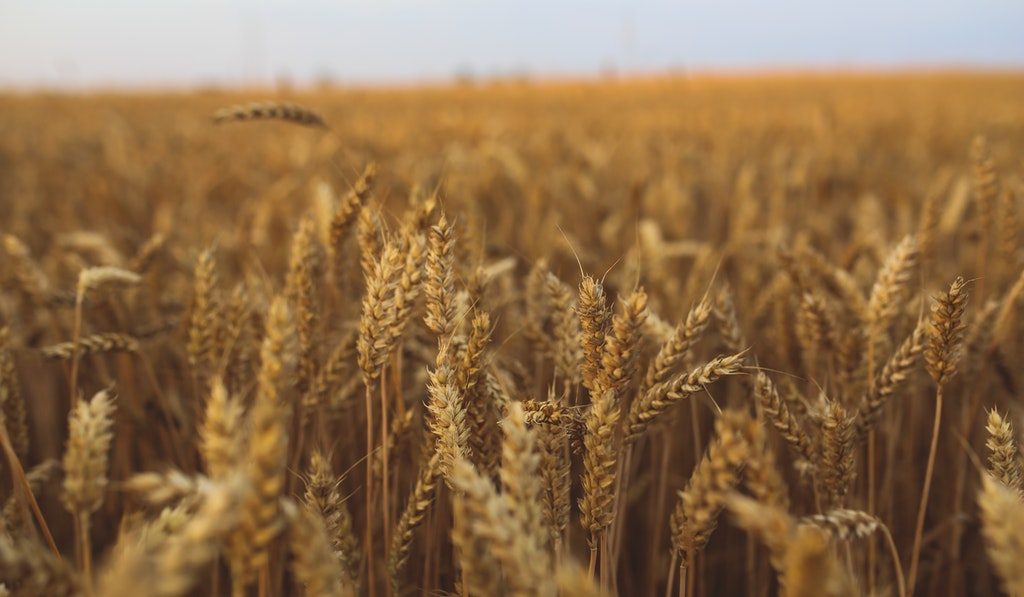
Highlights in today’s morning note
Maize:
A larger part of the South African maize belt experienced cool and drier weather conditions this week, with rainfall mainly concentrated towards the eastern sections. Nonetheless, the crop is in good condition in many areas of the country and soil moisture has slightly improved following the recent rainfall.
Moreover, there is generally improved prospects of a fairly better harvest in the 2017/18 production season, although will be lower than the 2016/17 record harvest. The expected rainfall within the next two weeks will give an additional boost to soil moisture and crop conditions throughout the maize belt.
While the focus is on the new production season, some farmers continue to deliver old season maize to commercial silos. The total maize deliveries were reported at 9 426 tonnes in the week ending 16 February 2018, down by 14% from the previous week. About 67% of this was yellow maize, with 33% being white maize. Overall, South Africa’s 2017/18 marketing year’s total maize deliveries for “week 1 to 42” currently stand at 15.3 million tonnes. Of this total, 60% is white maize with 40% being yellow maize.
Wheat:
The volumes of wheat recently delivered to commercial silos showed a decline from levels seen the previous weeks, which mirrors the reduction in activity in the farms after the completion of the harvest process.
About 6 535 tonnes of wheat were delivered to commercial silos in the week ending 16 February 2018. This is 34% lower than the volume delivered the previous week, and well below the volumes delivered in the previous months when the harvest process was at its peak. Overall, this placed South Africa’s winter wheat producer deliveries for “week 1 to 20” of the 2017/18 marketing year at 1.43 million tonnes.
Apart from the wheat market matters, yesterday we painted a slightly positive picture of Western Cape’s near-term weather forecasts. Unfortunately, the outlook has changed drastically. The current forecasts suggest that the province could receive light showers along the coastal areas within the next eight days. This implies that dam levels could remain critically low in the near term. On 19 February 2018, the province’s dam levels averaged 23%, which is 10 percentage points lower than the corresponding period last year.
Soybeans:
The weather conditions this week have been dry and cool across the soybean growing areas. It was only areas around Witbank, Lydenburg, Standerton, Irene, Carolina, Bethal and Bethlehem that received light showers on Tuesday evening.
However, this is not much of a concern as the crop is generally in good shape following a fair amount of rainfall in the past few weeks. Moreover, the expected showers of over 40 millimetres across the soybean growing areas within the next two weeks could make a meaningful improvement on soil moisture and crop conditions.
While the sentiment is regarding the new season crop is slightly positive, South Africa will remain a net importer of soybean products. The IGC forecasts a 20% y/y increase South Africa’s 2017/18 marketing year soybean oilcake imports to 600 000 tonnes, despite the record soybean production in the 2016/17 season. The key driver for this uptick is the growing demand from the animal feed industry.
Therefore, soybean oilcake imports in the 2018/19 marketing year could increase further as we expect a marginal decline in soybean production in the current production season. The South American countries are typically the key suppliers of soybean oilcake to South Africa.
Sunflower seed:
South Africa harvested 874 000 tonnes of sunflower seed in the 2016/17 production season, which is the highest level in 16-years. This was mainly driven by higher yields and an increase in area planted.
With that said, the country remains a net importer of sunflower oil. Data from Trade Map shows that South Africa imported 144 783 tonnes of sunflower oil in 2017, up by 30% from the previous year. This occurred, despite the 16% y/y increase in 2016/17 sunflower seed production.
The increase was generally underpinned by strong domestic demand. Only 5% of the imported volume was re-exported to the regional markets such as Botswana, Namibia, Zambia, Zimbabwe, Lesotho and Swaziland, amongst others. About 89% of the sunflower oil was imported from Bulgaria, Argentina, Romania and Spain.
RSA Potatoes:
Yesterday, the potatoes market pulled back from higher levels seen the previous day owing to a large stock of 823 322 pockets (10kg bag) at the start of the session. The price was down by 4% from the previous day, closing at R33.83 per pocket (10kg).
In the session, the market saw an additional increase in producer deliveries due to ongoing harvest activity in some regions of the country. This led to an 11% uptick in daily stocks to 913 045 pockets (10kg bag).
SAFEX beef carcass:
After remaining flat for some time, the SAFEX beef carcass market gained ground in yesterday’s trade session owing to increased commercial buying. The price was up by 1.14% from the previous day, closing at R44.50 per kilogram. With that said, the SAFEX beef carcass prices might not be a true reflection of the activity in the physical market, which continues to show solid activity.
From a beef supply point of view, South African farmers slaughtered 262 727 head of cattle in December 2017, up by 10% from the previous month. However, this is down by 17% from the corresponding period the previous year, as the restocking process continues after the recent drought (but should soon normalise).
Click below to read the full report by Wandile Sihlobo
Agbiz Morning Market Viewpoint on Agri-Commodities 22 February 2018


