
Early estimates show a 7% y/y decline in SA’s 2017/18 summer crop plantings

Agbiz Morning Market Viewpoint on Agri-Commodities: 31 January 2018
January 31, 2018
Agbiz Morning Market Viewpoint on Agri-Commodities: 01 February 2018
February 1, 2018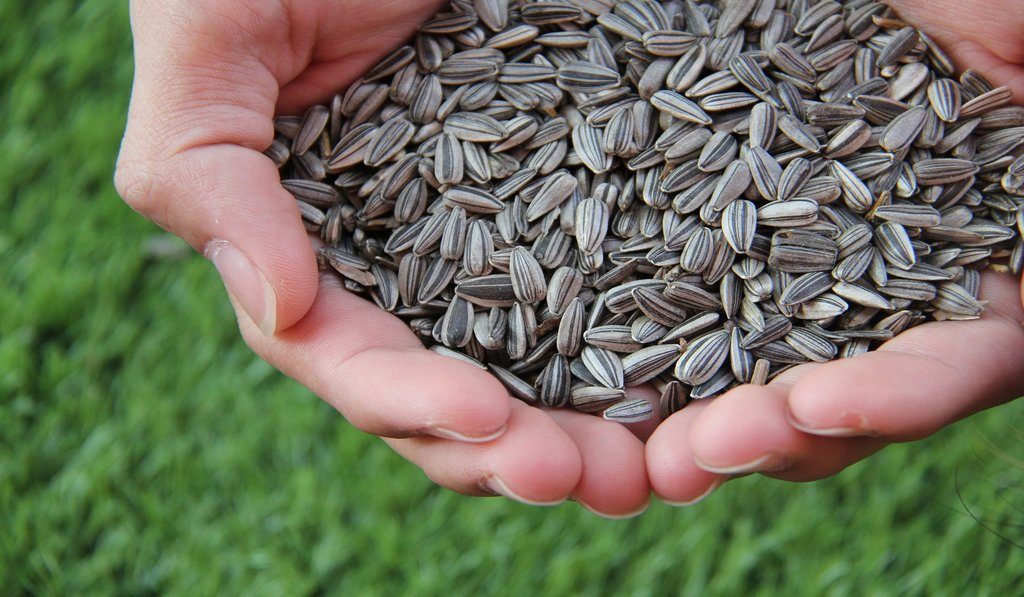
South Africa’s 2017/18 initial estimates for summer crop plantings show a 7% year-on-year decline to 3.70 million hectares. White maize, sunflower seed, groundnuts and sorghum plantings are the key reason for this overall downswing. This, in turn, was driven by dry and warm weather conditions experienced in the western parts of South Africa over the past couple of weeks. Total maize plantings declined by 12% from the 2016/17 production season to 2.30 million hectares. This is slightly better than the market consensus forecast of 18% year-on-year decline in maize plantings to 2.15 million hectares.
While the estimate for total maize hectares shows a decline, this is mainly skewed towards white maize, which is set to drop by 22% from the 2016/17 season to 1.28 million hectares. Meanwhile, yellow maize area could increase by 4% from the previous season to 1.02 million hectares (Chart 1). The key driver behind this trend is mainly the variation in weather conditions. The western areas have been dry and warm, whereas the eastern regions experienced fairly favourable conditions.
Soybeans plantings are estimated at 701 000 hectares, up by 22% from the previous season. This crop also benefited from a fair amount of rainfall in the eastern regions.
Meanwhile, sunflower seed planting estimates, which is mainly produced in the western parts of South Africa, show a 12% year-on-year decline to 560 100 hectares. This is unsurprising given that the North West and western parts of the Free State provinces received very little rainfall in the last few weeks of 2017 and they have also had a drier start to 2018. This led to delays in summer crop planting activity.
Looking ahead, the weather prospects are fairly positive, which is good for crops. The South African Weather Service highlights a possibility of above-normal rainfall between February and April 2018.
Winter crops – Today’s data confirmed that the winter wheat crop is not in good shape due to persistent dryness in the Western Cape and Free State provinces. The overall crop is estimated at 1.48 million tonnes, down by 23% year-on-year. This essentially means South Africa’s wheat imports could increase to 1.9 million tonnes in order to fulfil the domestic needs (up from 940 000 tonnes in the 2016/17 season).
Click here to read the full report by Wandile Sihlobo
Early estimates show a 7% year on year decline in SA summer crop plantings


